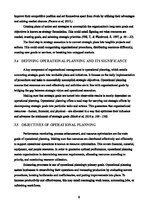
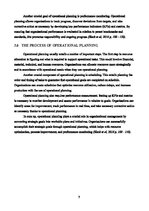
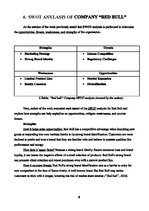
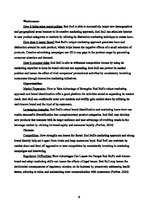
The importance of strategic and operational planning in today's ever-changing corporate environment cannot be emphasised. In order for organisations to navigate uncertainty, seize opportunities, and reduce risks in the quest of long-term success, these two pillars act as their cornerstone. Operational planning makes sure that daily tasks are carried out effectively in order to achieve the organization's long-term goals, while strategic planning gives the organization's overall direction and vision. Setting objectives, plans of action, and strategies with the intention of placing the company for long-term success and competitive advantage is known as strategic planning. It requires an in-depth examination of both internal and external market dynamics to enable organisations to leverage their advantages, resolve their disadvantages, seize opportunities, and reduce risks. Strategic planning helps businesses match their resources, capabilities, and activities to market demands by giving them a blueprint for the future.…